
Search engine optimization plays a major role in how businesses attract customers online. When people start learning SEO, one of the first comparisons they come across is On-Page SEO vs Off-Page SEO Understanding the difference between these two is essential for building a website that ranks well and converts visitors into customers.
Although both are part of the same SEO ecosystem, they focus on different aspects of optimization. This blog explains On-Page SEO vs Off-Page SEO in detail, how they work, and why businesses must invest in both for long-term success On-Page SEO vs Off-Page SEO
What Is On-Page SEO?
On-Page SEO refers to all the optimization activities done within your website. It focuses on improving individual pages so that search engines can clearly understand the content and users can easily navigate it. In the comparison of On-Page SEO refers to all the optimization activities done within your website. It focuses on improving individual pages so that search engines can clearly understand the content and users can easily navigate it. In the comparison of , On-Page SEO is fully under your control.
, On-Page SEO is fully under your control.
The main goal of On-Page SEO is relevance. It tells search engine what your page is about and why it deserves to rank for specific search queries.
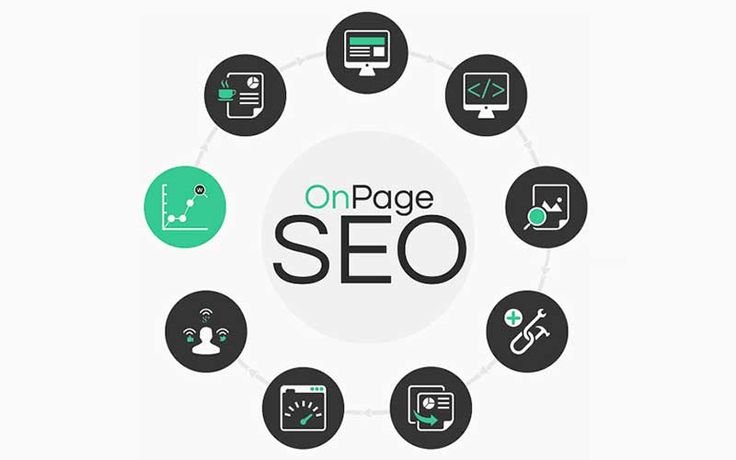
Core Elements of On-Page SEO
Content Quality
High-quality content is the backbone of On-Page SEO. Pages that provide valuable, original, and well-structured information perform better in search results. In On-Page SEO vs Off-Page SEO, content plays a bigger role on the On-Page side.
Keyword Placement
Using keywords naturally in headings, subheadings, and body text helps search engines understand topic relevance without harming readability.
Meta Titles and Description
Optimized titles and descriptions improve click-through rates and make your pages more appealing in search results.
Internal Linking
Internal links guide users to related pages and help search engines crawl your site efficiently.
Page Experience
Fast loading speed, mobile responsiveness, and clean layout improve user satisfaction and reduce bounce rates.
Benefits of On-Page SEO
When done correctly, On-Page SEO helps:
- Improve website clarity
- Increase user engagement
- Boost conversion potential
- Strengthen content relevance
In the debate of On-Page SEO vs Off-Page SEO, On-Page SEO lays the foundation. Without it, external efforts may not produce meaningful results.
What Is Off-Page SEO?
Off-Page SEO includes all optimization activities done outside your website to improve its credibility and trust. In On-Page SEO vs Off-Page SEO, Off-Page SEO focuses more on authority rather than content structure.
Search engines consider how other websites and users interact with your brand to determine whether your site is reliable and valuable.
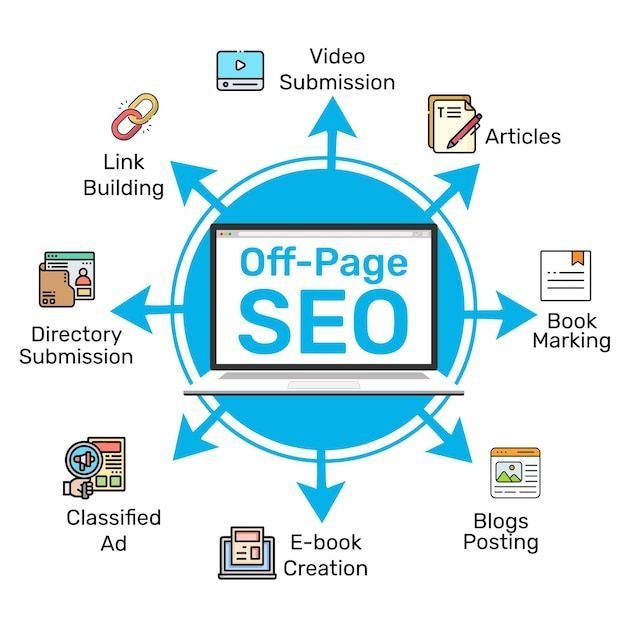
Core Elements of Off-Page SEO
Backlinks
Links from trusted websites act as votes of confidence. The quality of backlinks matters more than quantity in On-Page SEO vs Off-Page SEO.
Brand Mention
Even without direct links, mentions across the web help build trust and recognition.
Social Signals
While not direct ranking factors, social engagement helps content reach a wider audience and attract natural links.
Local Citations
For location-based businesses, listings and reviews strengthen local trust signals.
Benefits of Off-Page SEO
- Off-Page SEO helps:
- Build website authority
- Increase trust and credibility
- Improve competitive positioning
- Support long-term ranking stability
When comparing On-Page SEO vs Off-Page SEO, Off-Page SEO usually takes more time to show results but offers lasting benefits.
On-Page SEO vs Off-Page SEO : Key Differences
The main difference between On-Page SEO vs Off-Page SEO lies in control and focus. On-Page SEO is managed internally and deals with content and structure, while Off-Page SEO depends on external factors and relationships.
On-Page SEO answers the question, “Is this page relevant and useful?”
Off-Page SEO answers the question, “Is this website trustworthy and authoritative?”
Both questions are critical for search engine rankings.
Why On-Page SEO Alone Is Not Enough
Many beginners focus only on content and technical improvements. However, in competitive industries, On-Page SEO alone cannot outperform established competitors. This is where SEO becomes a strategicOn-Page SEO vs Off-Page SEO discussion rather than a choice.
Even perfectly optimized pages struggle without external validation.
Why Off-Page SEO Alone Is Risky
Relying only on backlinks without a solid website structure can lead to poor results. Users may click through but leave quickly if content quality is low. In On-Page SEO vs Off-Page SEO, Off-Page efforts work best when supported by strong On-Page fundamentals.
The Ideal SEO Approach
The most successful websites treat On-Page SEO vs Off-Page SEO as a combined strategy rather than separate tactics. On-Page SEO prepares your website for visitors, while Off-Page SEO brings those visitors to you.
Together, they help:
- Improve visibility
- Attract qualified traffic
- Build long-term credibility
- Increase business opportunities
Conclusion
Understanding On-Page SEO vs Off-Page SEO is crucial for anyone serious about online growth. On-Page SEO builds relevance and usability, while Off-Page SEO builds trust and authority. Neither works effectively without the other.
A balanced approach to On-Page SEO vs Off-Page SEO ensures that your website not only ranks well but also delivers real value to users. Businesses that invest in both consistently are more likely to achieve sustainable success in search results.